Manners F*cking Matter
15 rules to live by

I once told my designer friend Sophie I wanted her to make me a t-shirt that said something along the lines of “Manners F*cking Matter,” and she grinned but perhaps was not as on board with it as I was, and I get why.
There is quite the opposite consensus in many of the circles I run in. I saw at a craft workshop recently the phrase “F*ck politeness” creatively displayed with lots of glitter. (Notice my asterisk, which are an attempt for me to be polite, dear reader.)
In a conversation about feminism last week, I joked about how I call myself a nice feminist, even though I know many feminists feel like this is an oxymoron. As society marches forward, trying to make the world more fair and friendly for all, we should start with ourselves. I don’t love the contemporary ideology that screams, “to be an activist you can’t be nice; you must always feel rage and retaliation of injustice coursing through your veins.” I grew up in the American South, in the Baptist church! My philosophy (which generally works) is, you catch more flies with honey than vinegar.
Yet a few weeks ago I was discussing putting up signs in a space to encourage polite, kind behaviour. I balked at that as well, perhaps subconsciously abandoning my manners f*cking matter idea because I do believe that most people are good. Encouraging them to behave a certain way is patronizing and infers that we are, by nature, bad otherwise.
I sat in a council training session a few years ago on behavioural change. One of the few things I remember from it is that people are less likely to litter when the aforementioned sign says “thank you for not littering” rather than “do not litter.”
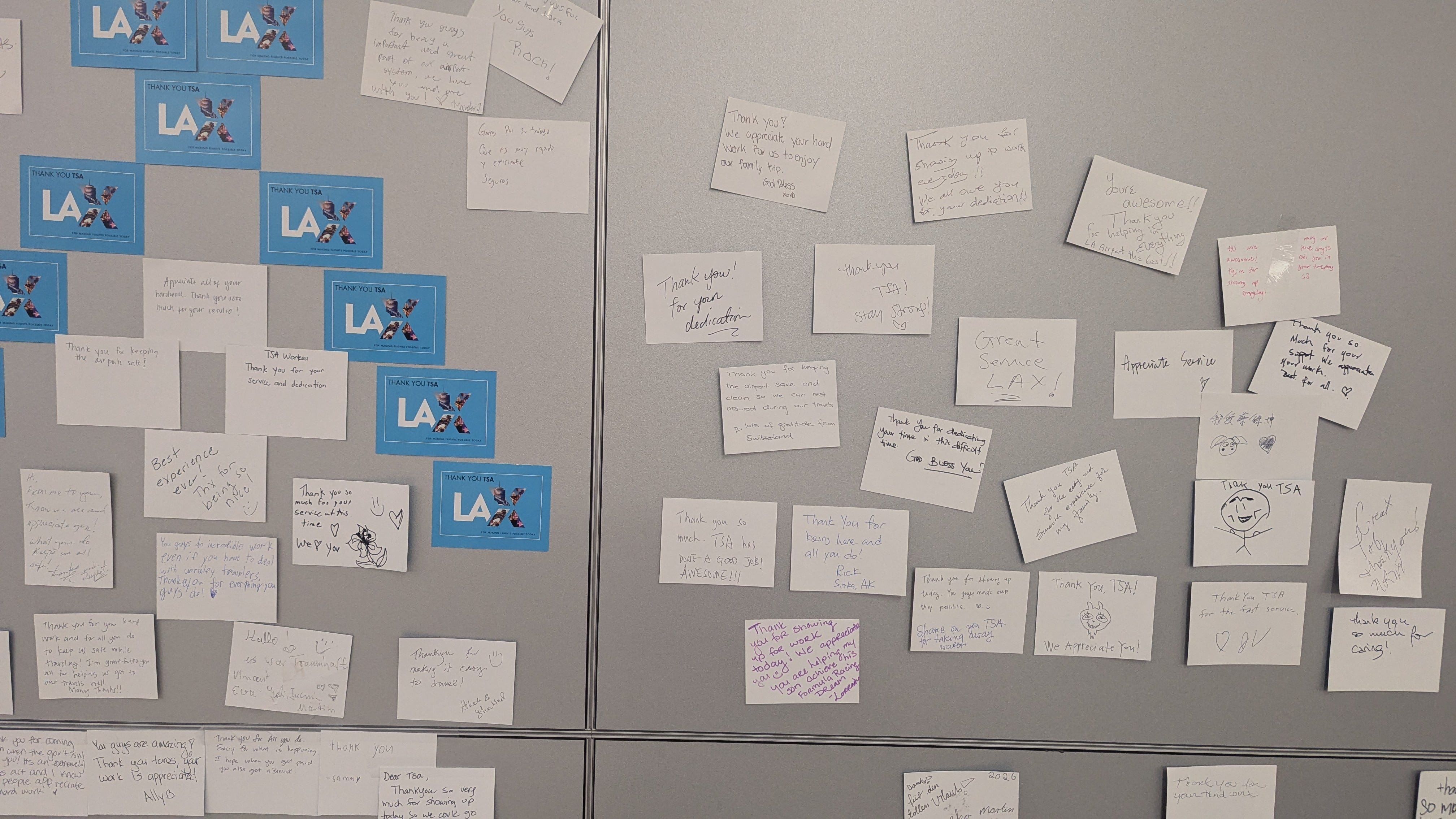
That annoys me as well though. Why do people need any kind of sign to do the right thing?! We should all just be good. Years ago my friend Ivey presented me with the shopping cart theory, which explains not only why most people in society are fairly well-behaved but also why a few bad apples ruin the bunch.

I shared it in my Instagram stories and my friend Laura responded, “but when it’s raining outside, we all become animals.” Lol.
At the end of this Substack I have written some politeness tips based on my life experiences, but it does get complicated. In general, the golden rule is golden, is it not? “Treat others the way you would like to be treated.” But in my early 20s, my friend and mentor Karen shared another concept that blew my mind. The platinum rule: treat others the way they want to be treated.
I thought about this on Friday night as I sat in the car with Soph (who politely and generously) had given me a lift home. After my vacation last month and waiting on a few payments, I was overjoyed that some money had finally come through to my bank account. Later that night I was taking my partner out for a fancy meal, Jana Bar, to do something nice for him as he has been feeding me and ordering me lots of Uber Eats these past few weeks while I had been tight as hell with money. Sophie noted that it was indeed a very nice (and expensive) restaurant. Then it dawned on me that while I’ve been thinking about being kind and polite lately, taking Josh out to a nice meal is actually what I want to do. Josh doesn’t mind to go out, but if I wanted to generously be kind and loving based on the platinum rule I should have bought him some weird cool old gadget that he could play with, as that is actually what he really loves.
This is very on trend in our relationship. When it comes to gifts, I always buy him trips to places, and he always buys me practical things like a coffee maker or headphones. We’re like the opposite of the couple in The Gift of The Magi.
So anyway, clearly I am not as polite, kind and generous as I would like to be, but I do think I comprehend the rules of engagement. Without spending years refining and reflecting on how to have good manners as a nice feminist without becoming a subservient tradwife, here are some tips, in theory, I would like to live by.
1. Say please and thank you as much as you can.
2. In a workforce or in everyday life, ask people to help rather than telling them.
3. Try not to take things personally, in the workforce or in everyday life.
4. Offer to help. If you have the capacity to help, do so, whether it is washing dishes or helping someone get on the bus. Look for ways to be of assistance.
5. If someone feels that you have hurt or wronged them, apologize immediately. Even if you think they are over-reacting, or you are in the right, a few words of remorse and acknowledgement go a long way.
6. When meeting anyone for the first time, offer to get the drinks/coffee, if you can afford to do so. If you can’t afford to do so, consider inviting them for a stunning walk or showing them a cool place. Try to do something generous that will benefit their time.
7. In conversations, ask questions. Listen more than you talk. Even in the most god-awful boring topic, there is something interesting that you can ask about. Challenge yourself to find the compelling angle. Do not disengage and look at your phone. (Also I regularly break this rule. These are ideals, folks!)
8. When you like something about someone, tell them. Their style, their personality, their hot body, etc. ;)
9. Always bring something to a gathering, even if it just chocolates or tea.
10. If you can afford to be generous with your friends, do so. Ideally they will remember your kindness and return the favor but even if they don’t, just be generous because it is the right thing to do. I recommend reading Seneca’s On Benefits to explore this more. *I am obnoxiously good at keeping tabs on who owes me what. I dislike this about myself, and I am trying to get better about it. If I were a truly generous person I would just give selflessly at all times. I think I just need to make more money so I can give it all away to the people I love and not keep a running tally.
11. When someone you care about is suffering, reach out. It is hard to always know how to say the right thing, but it is better to reach out than to not. A helpful thing to say is “would you like a hug?” or “You are not alone.”
12. Give people the benefit of the doubt. Hanlon’s Razor is helpful when I am at odds with someone: "Never attribute to malice that which is adequately explained by stupidity."
13. The digital world of politeness is different than in person. There is etiquette related to response time, leaving people on read, commenting on posts, watching stories, the group chat etc. Digital etiquette changes fast, and I am no expert. But the above list, to a degree, can be applied. Say please, thank you and try to give people the benefit of the doubt. Emails generally have a different sense of urgency to any social media message. One can be rude by not getting back to someone, but also please see this fabulous article from The Guardian last year: I’m not ignoring your message – I’m overwhelmed by the tyranny of being reachable.
14. No matter how kind and generous you are, no matter how impeccable your manners, try not to judge and keep your expectations low. No one owes you anything, and everyone is going through stuff you know nothing about.
15. Last but not least, remember unasked for advice is seldom appreciated, so if this list annoyed you, I do apologize. ;)
As usual great observations Alex! Nice rules too - some wisdom! If you still want that T Shirt let me know✅
I think it true that Manners are inclusive whereas Etiquette is exclusive.